
Outrage is growing across Kenya following new revelations that the government has slashed education capitation by KSh 900 million in the 2024/2025 financial year—despite rising demands from children and communities for more investment in learning.
The budget cut, highlighted in the recently released Budget Implementation Review Report, comes just days before Parliament is expected to finalize budget discussions.
The decision contradicts children’s pleas made through recent national participation forums, where young voices called for stronger support for school infrastructure, meals, and quality education.
The State Department for Basic Education, responsible for primary learning programs, now faces reduced recurrent funding, even as the development budget has been increased by KSh 445 million.
Civil society actors have questioned the government’s priorities, calling the shift a betrayal of the promise of free and quality basic education.
Under Kenya’s Constitution, specifically Article 53, and in line with international obligations under the UN Convention on the Rights of the Child, the government is required to ensure education is accessible and adequately funded.
However, with capitation meant for textbooks, classroom materials, and teacher support now reduced, the cost burden is expected to shift further to already strained parents.
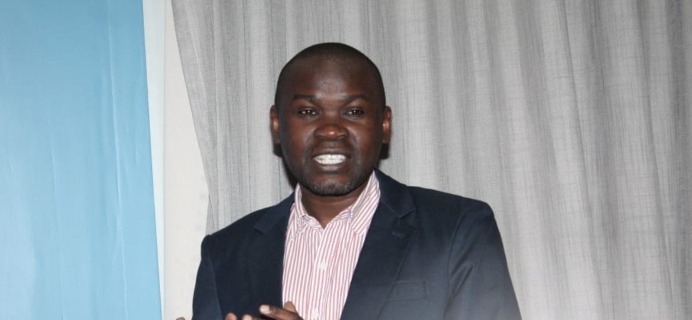
“When capitation drops, families are forced to cover what government no longer can. That pushes the poorest even further behind,” said Nitori Kituma, Project Manager at Terre des Hommes Netherlands, part of the Joining Forces Alliance.
Kituma emphasized that children’s input is often overlooked despite their participation in structured public forums across at least 12 counties, including Nyeri, Samburu, and Makueni.
“They spoke about roads, meals, and learning materials. These are not isolated requests—they reflect broader systemic gaps,” she said.
Despite these inputs, KSh 160 million has instead been earmarked for ‘public participation projects,’ a move some analysts call symbolic rather than substantive.
Bonyo Elijah Don, Director of Policy and Advocacy at World Vision Kenya, warned of a growing crisis.
“Parents are now covering more than half of operational school costs,” he said, exposing a disconnect between policy promises and actual implementation. He further criticized the lack of a centralized financial tracking system for schools, which makes it difficult to assess the real budget gap or plan effectively.
The 2025 Economic Survey has further amplified concerns, showing a mismatch between official budget assumptions and actual enrollment figures.
Nearly 10 million children are of primary school age, yet education financing appears to be based on much lower estimates.
A budget analyst at a recent education forum warned that unless outcomes are revised in line with funding reductions, schools will be set up to fail.
“Program-based budgeting means resources should match targets. If KSh 900 million is cut, we must adjust expectations—or risk paralyzing the sector,” they said.Meanwhile, the Auditor General’s 2023 report had already flagged inconsistencies between allocated funds and the number of students enrolled—an issue that remains unresolved.
As Kenya prepares to mark the Day of the African Child on June 16 under the theme “Budgeting for Children”, campaigners are urging the government to align its rhetoric with real action.
With Parliament still in budget discussions, civil society has vowed to intensify scrutiny and demand accountability.